Stop 46 of 109 · Coil the Spring · 7 min read
c. 1505 · Nuremberg, Holy Roman Empire
The Watch That Was Never Shaped Like an Egg
Around 1505, a Nuremberg clockmaker helped free timekeeping from the wall, and picked up a nickname that was a mistranslation.
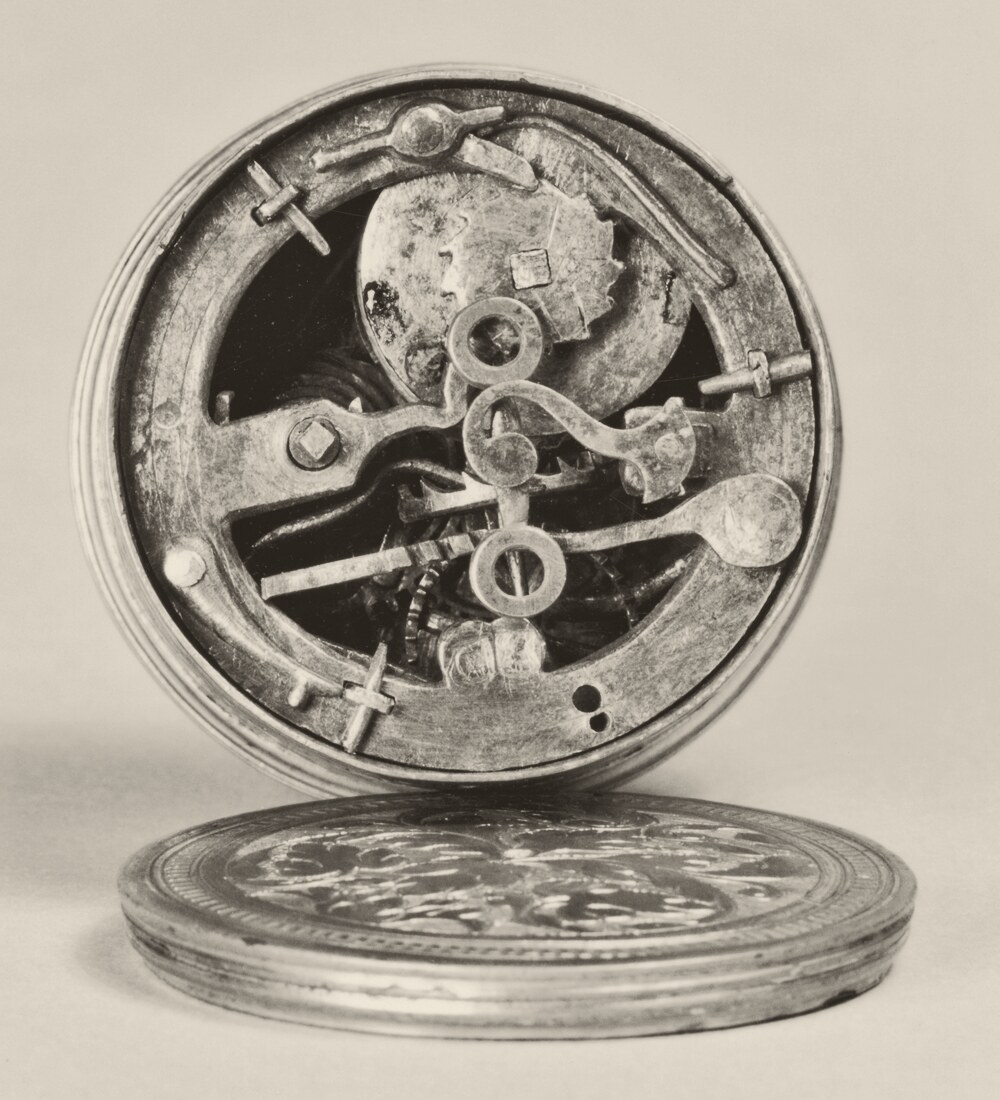
A weight-driven clock needs somewhere to hang its weight, which is why, for centuries, clocks belonged to towers and walls. What changed that was a different kind of power: a strip of steel, coiled tightly inside a drum, that could push a mechanism forward without ever needing to fall. In Nuremberg, in the first years of the 1500s, that coiled mainspring drove clocks small enough to carry.
The name usually attached to that moment is Peter Henlein, and the nickname usually attached to his watches is the 'Nuremberg egg'. Both deserve a closer look. Here is what the records say about the man, what the spring and its helpers did, what the oldest watches turned out to be when a museum looked inside them, and how a word for 'little clock' became a little egg.
A locksmith people wrote about
Peter Henlein was born in Nuremberg around 1480 to 1485 and trained as a locksmith. In 1504 he was caught up in a brawl in which another locksmith died, and he took sanctuary in the city's Franciscan friary. He became a master of the locksmiths' guild in 1509, and he died in Nuremberg in 1542.
His fame rests on a few lines by the humanist Johannes Cochlaeus, written around 1511 and printed in 1512 in a short description of Germany. Every day, Cochlaeus wrote, finer things are invented: Peter Hele, still quite a young man, makes small clocks of iron with a great many wheels which, whichever way they are turned and without any weight, show the hours and 'pulsant' for forty hours, even when carried at the breast or in a purse. Scholars still argue whether pulsant means they struck the hours or simply that they ticked.
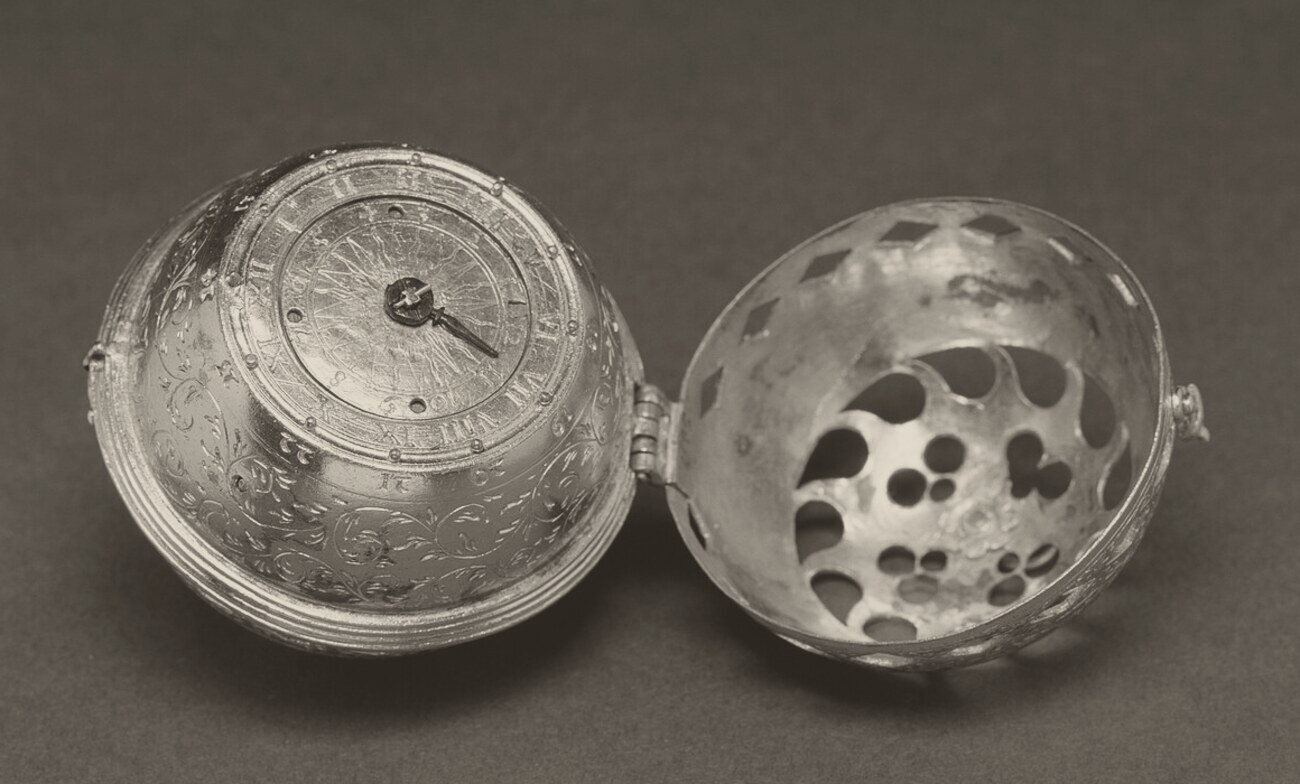
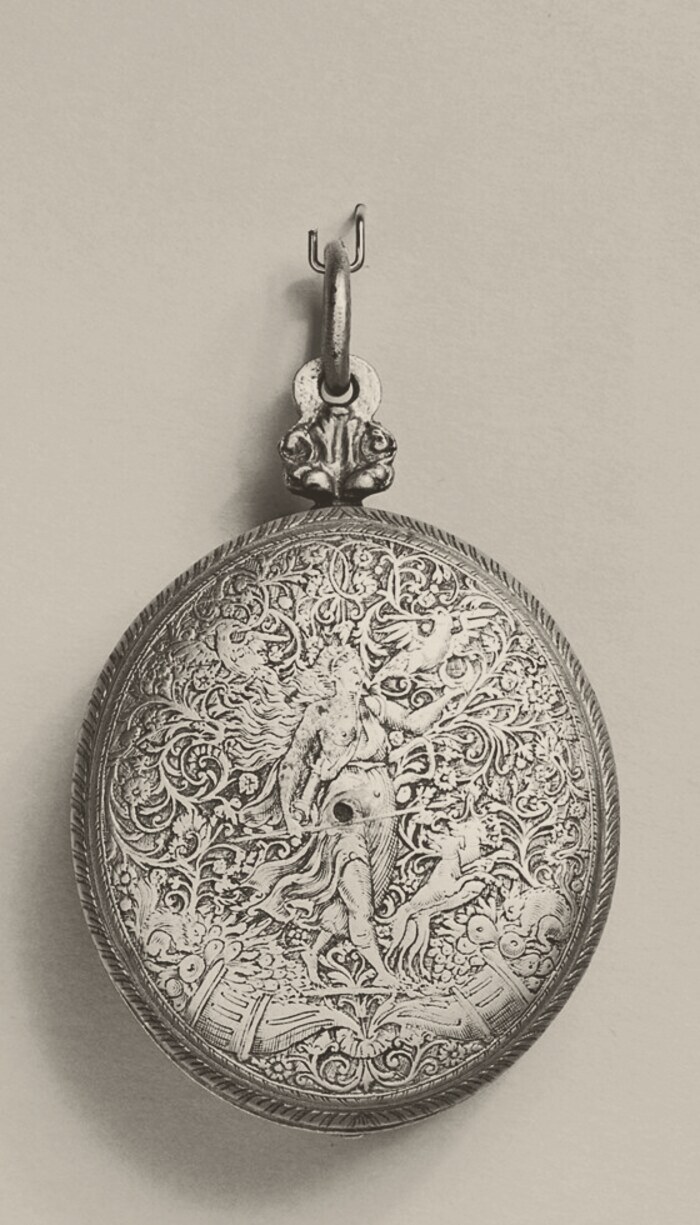
City records then show him at work. In January 1524 the council paid him 15 gulden for a gilded musk-apple with a clock inside it: a pomander, the little pierced ball that wealthy people filled with scent. In 1547 the Nuremberg writer Johann Neudörfer said that a Henlein was nearly the first to fit clocks into such musk-balls, though he gave the first name as Andreas.
The spring was already old
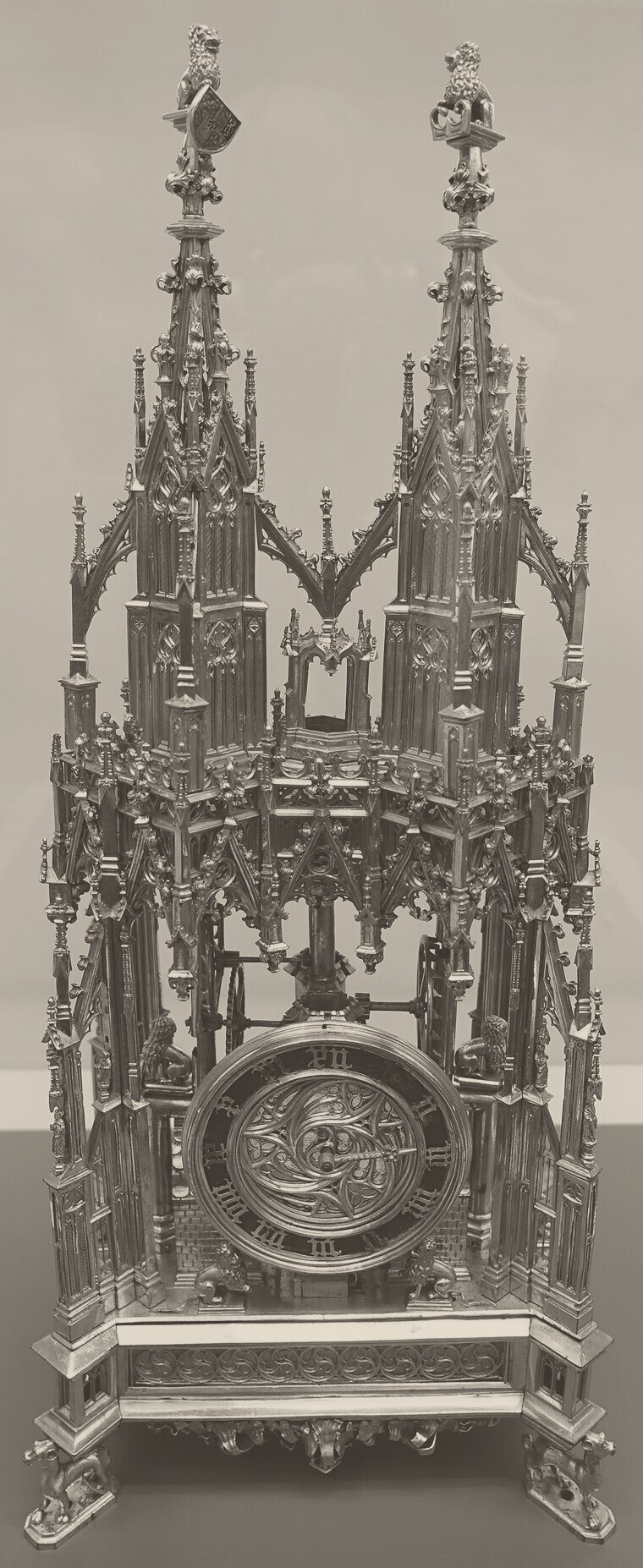
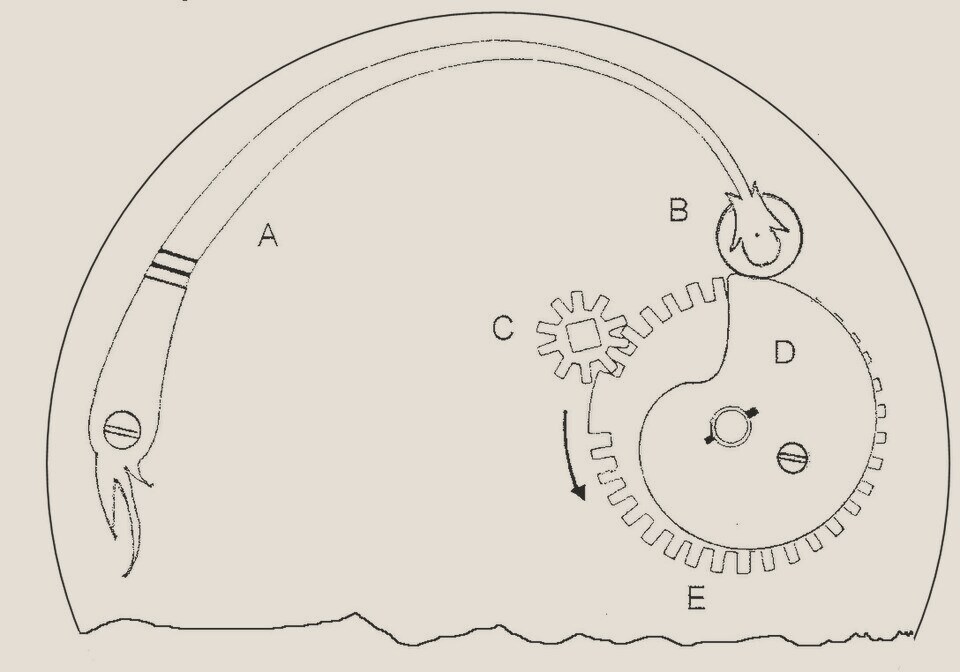
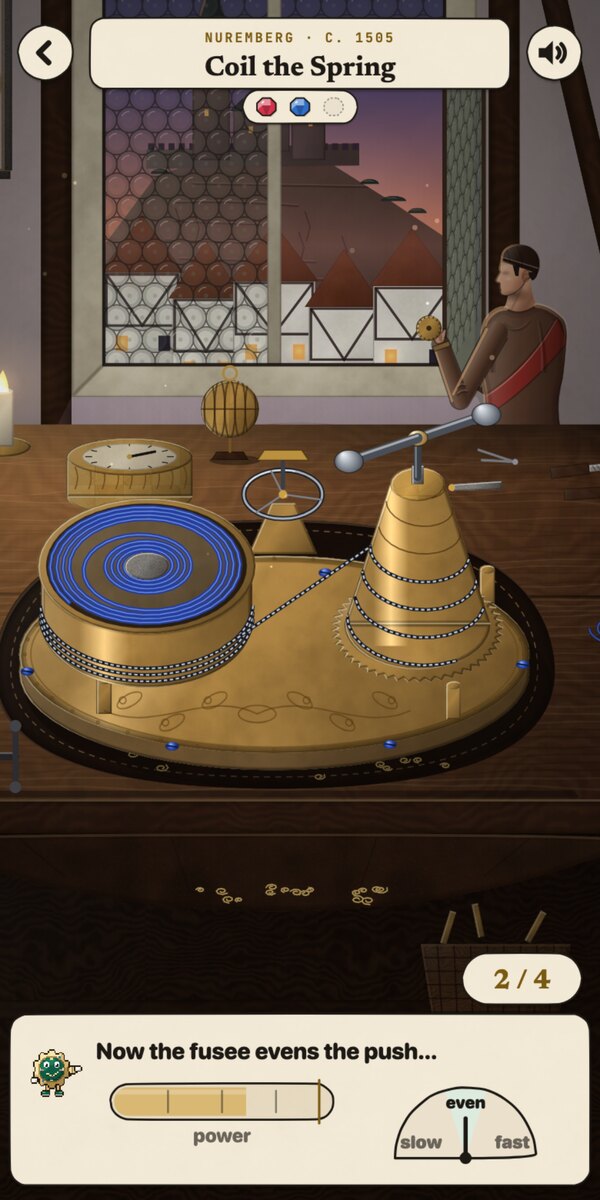
What Henlein did not do is invent the mainspring. The oldest surviving spring-driven clock is a gilded table clock about 48 centimetres tall, made around 1430 to 1440 and carrying the arms of Duke Philip the Good of Burgundy. Its coiled spring sits hidden in the base, already joined to a fusee, a device we will come to in a moment. That clock is now in the Germanisches Nationalmuseum in Nuremberg, the city that later claimed the watch for itself.


_-_Walters_5817_-_View_C.jpg)
