Stop 1 of 109 · Keep the Count · 7 min read
c. 42,000 years ago · Border Cave, Lebombo Mountains
The Bone With Twenty-Nine Cuts
In a cave in the Lebombo Mountains, someone kept a careful count on a baboon's leg bone, and no one alive can say exactly what they were counting.
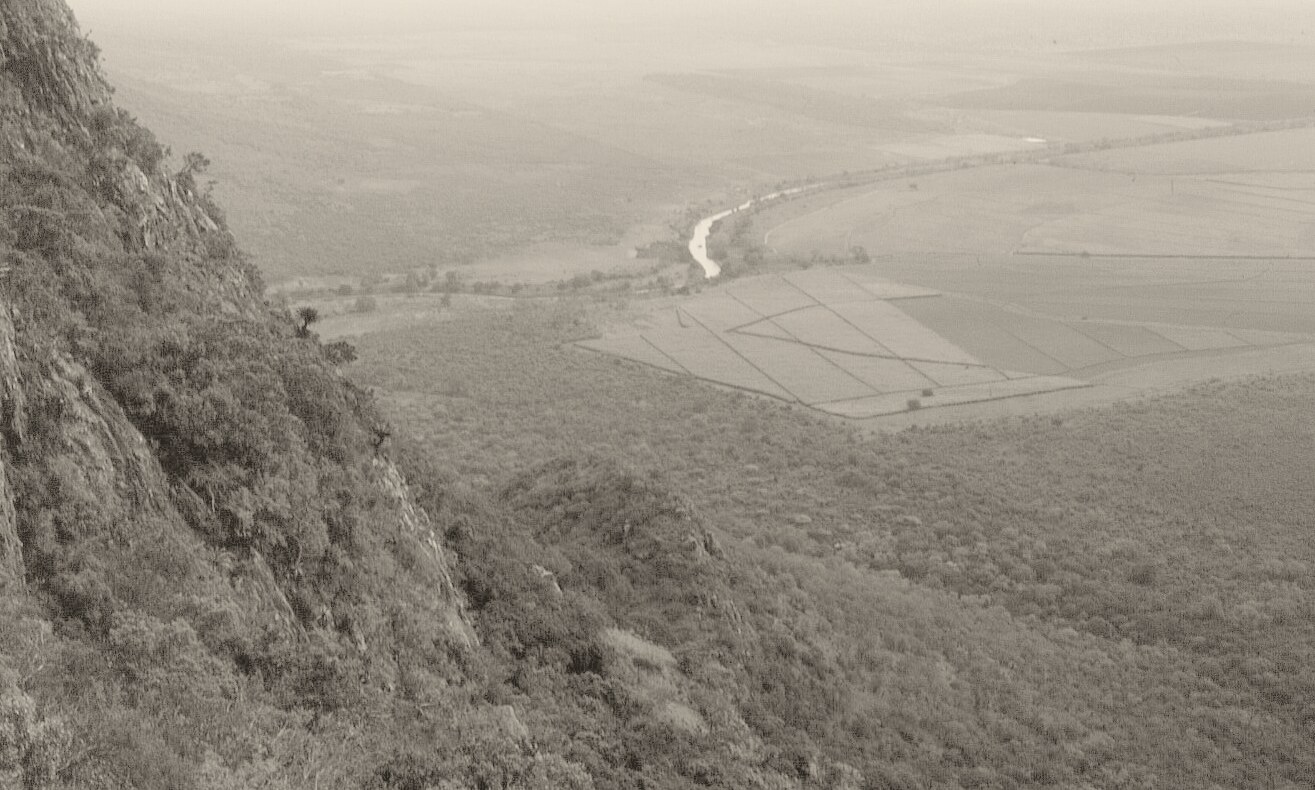
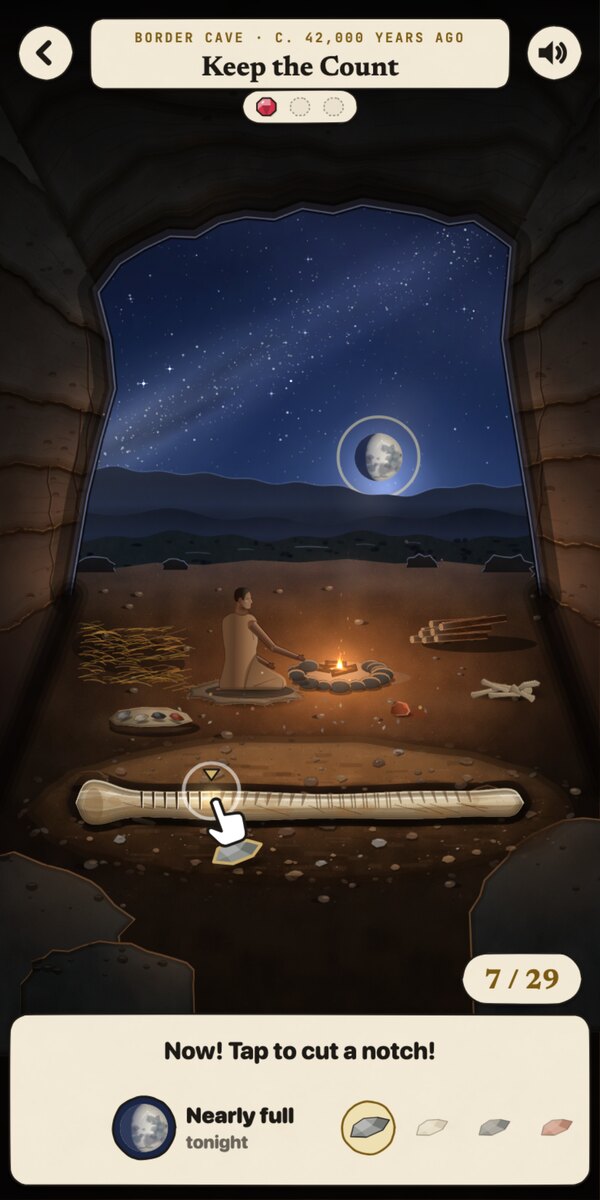
About 42,000 years ago, in a rock shelter in what is now the Lebombo Mountains between South Africa and Eswatini, someone picked up a baboon's fibula, a slender leg bone about the length of a hand, and began cutting notches into it.
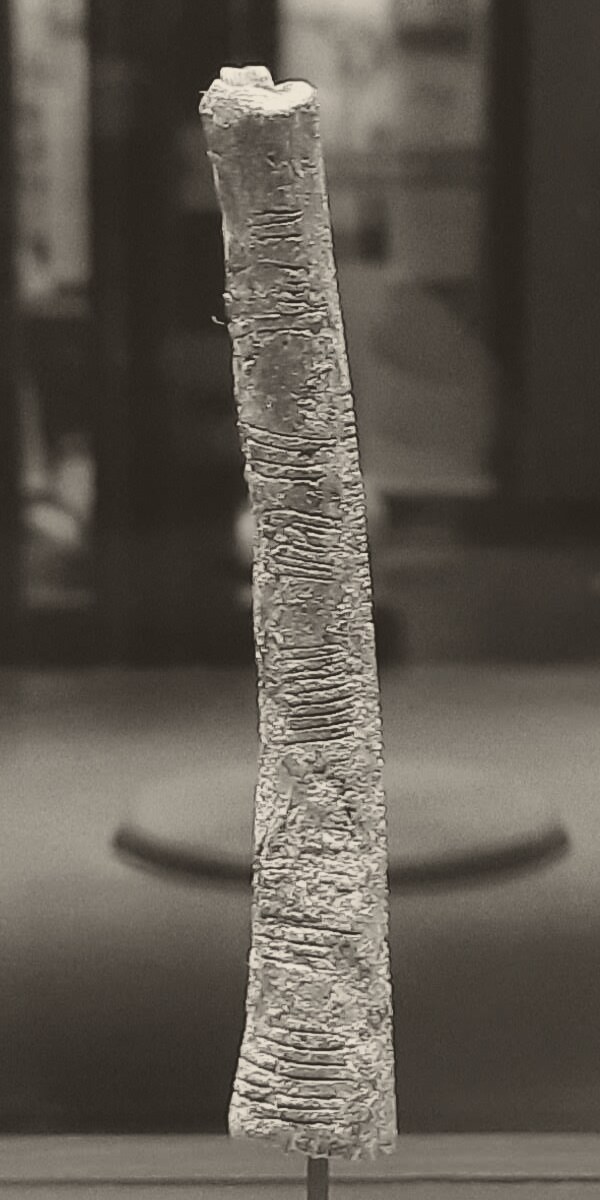
By the time they stopped, or the bone broke, it carried 29 notches. Today it is called the Lebombo bone, and popular accounts often describe it as the oldest lunar calendar in the world. That is the most repeated thing said about it, and the least secure. Here is a longer look: what the bone is, what the microscope found, what the moon reading rests on, and who lived in the cave.
A broken bone in a dry cave
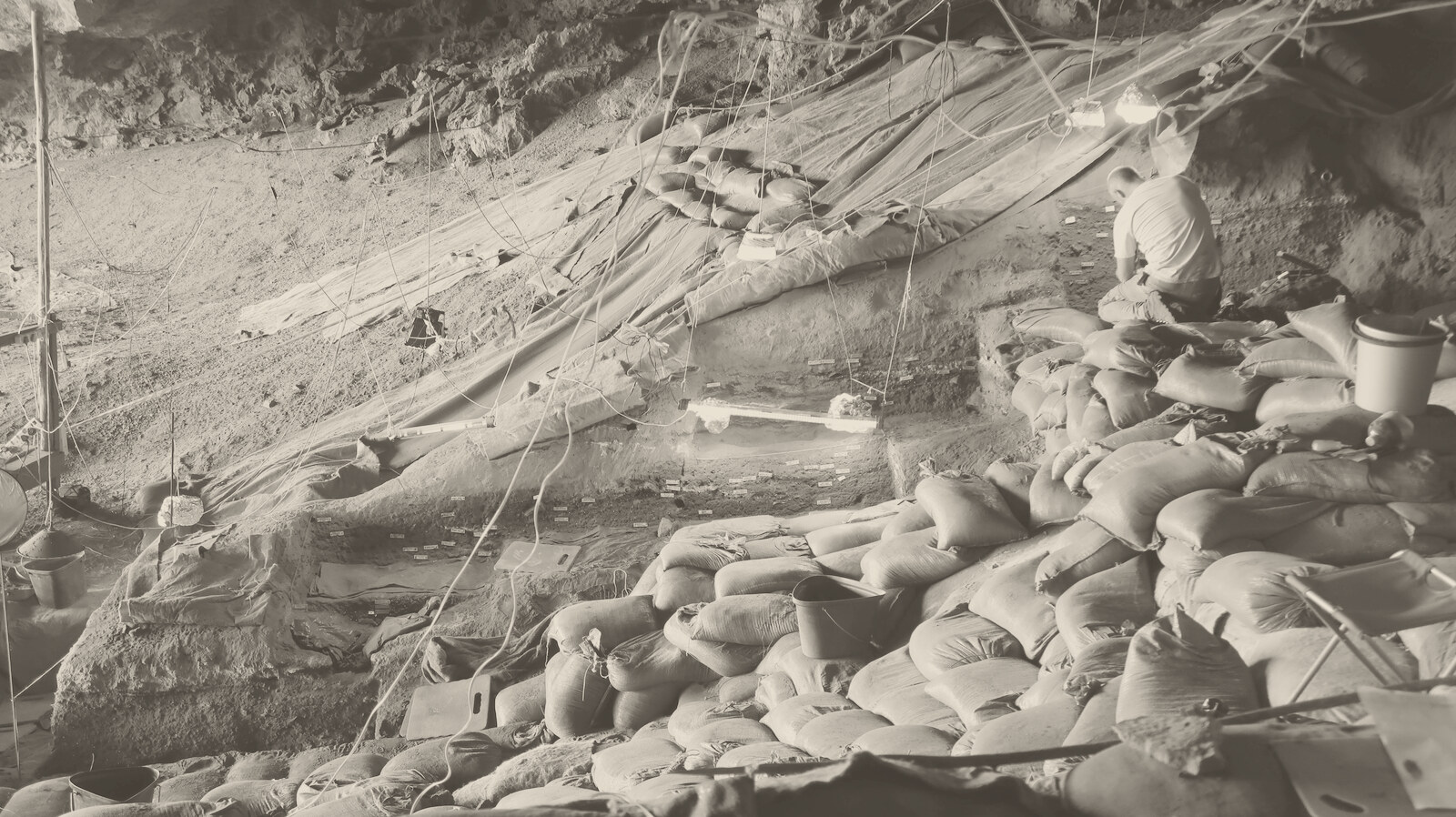
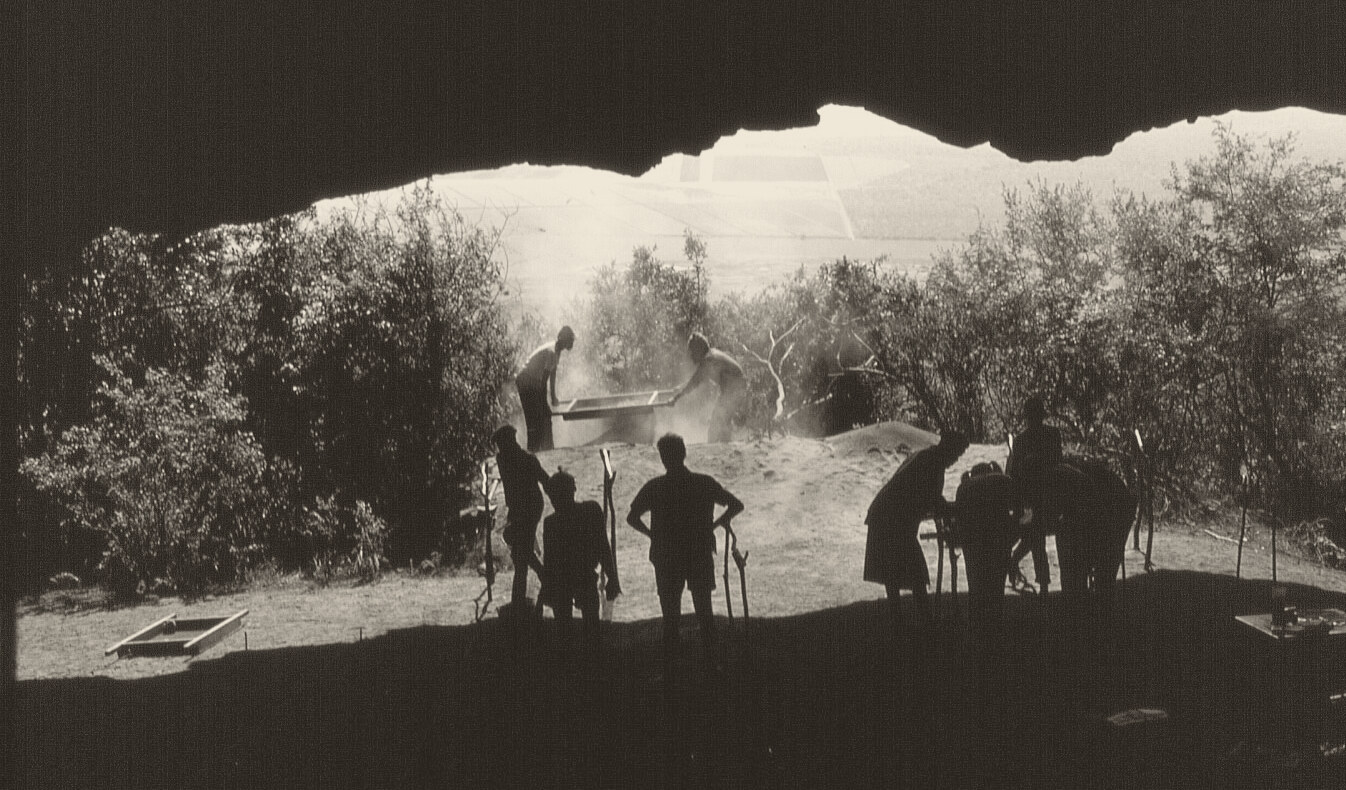
The bone turned up in the 1970s, during the archaeologist Peter Beaumont's excavations at Border Cave. Statistical modelling of forty radiocarbon dates puts it between about 44,000 and 42,000 years ago; the 2012 study narrows its layer, which the excavators call 1BS Lower B-C, to 43,000 to 42,000. Older write-ups give ages from about 37,000 to 44,000 years, but the modelled range is the one to trust.
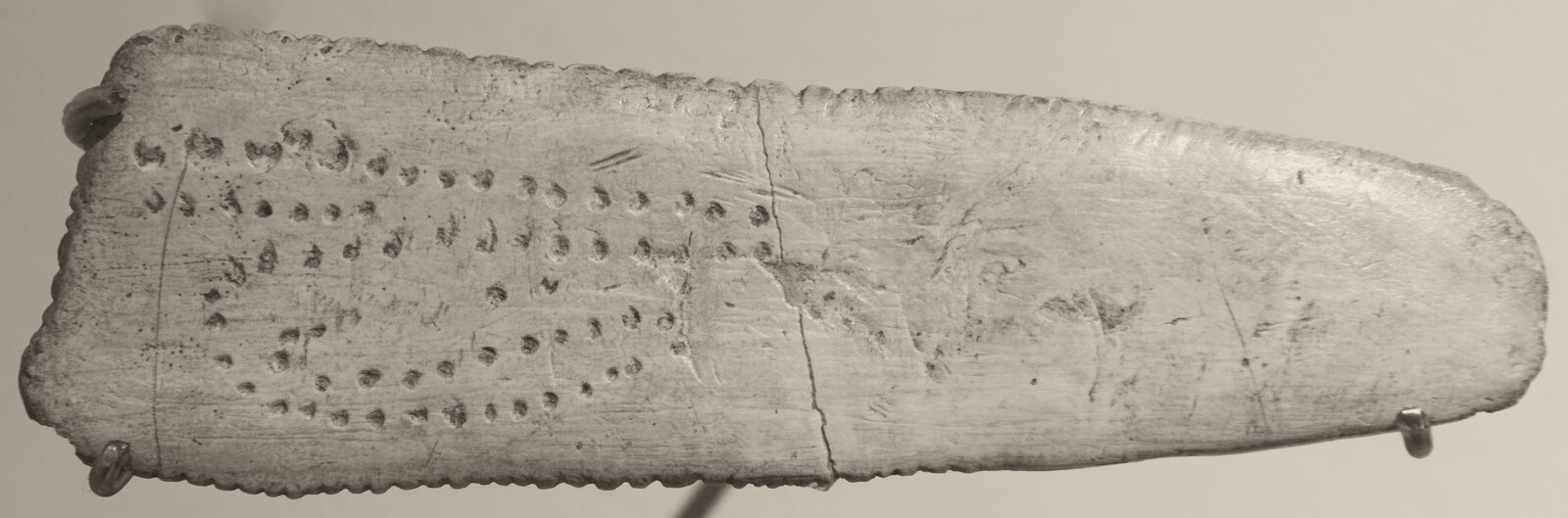
What survives is part of the shaft of a right fibula, the thin outer bone of a baboon's lower leg. The 29 notches run in a row along a ridge on one side of it. Its other faces carry shallow, slanting cuts, worn almost smooth. The whole surface is heavily polished, the kind of shine that comes from being handled, carried or used for a long time.
Border Cave is unusually dry, which is why wood, beeswax and plant fibre survived there for tens of thousands of years alongside the bone. The bone itself is now in the care of the McGregor Museum in Kimberley, whose archaeologists gave researchers permission to study it and to copy it.
What the microscope saw
Every notch was made the same way: a stone flake drawn back and forth across the bone, like a small saw. That motion leaves a groove whose shape records the edge that cut it. A sharp, narrow flake leaves a narrow notch; a broader or worn edge leaves a wider one, with its own steps and ridges inside. Read closely, a row of notches tells you how many tools made it, and sometimes in what order.
In 2012 a team led by Francesco d'Errico and Lucinda Backwell published the first close study of the Border Cave bones. They found that the 29 notches fall into four sets, each cut with a different edge, and that the last set was added after the others. In 2018 d'Errico and colleagues looked again with newer methods. About two thirds of the notches turned out to be damaged by chips, cracks, crusted sediment or old glue, but the sets still showed, and the picture sharpened.
Counting from one end, eight narrow notches cut with a sharp edge look the freshest of all, and were probably the last to be made. Three broader notches sit beside them. Fourteen more fill the other half of the ridge. Then come the surprises: three very wide notches squeezed into gaps between notches that were already there, and one shallow notch, number 22, probably made with a fifth tool. That is why the bone is described with four tools in some places and five in others; the fairest count is four, probably five. In the researchers' words, the sets were added "at different times", somewhere between one and fourteen notches at a sitting.